




Every driver needs to make sure their car is safe and legal to use on UK roads.
That’s why knowing when your MOT is due and what it entails is crucial. “The MOT is a legal requirement, but it also provides a detailed assessment of your car’s overall condition.
For many drivers, understanding the MOT can feel confusing. Do you need to book it on the exact date, or is there a grace period? How do you make sure your car passes, and what can you do if you’re too busy to drop it off yourself?
This guide explains how MOTs work and what you can do to prepare for your test.
What Is an MOT and Why Is It Important?
An MOT, or Ministry of Transport test, is carried out once a year to confirm your vehicle meets the minimum legal safety standards.”
Cars over three years old must have a valid MOT certificate to be legally driven. The test examines everything from brakes and tyres to lights and emissions, making sure your vehicle is safe not just for you, but for other road users as well.
Failing to keep your MOT up to date can lead to fines, invalid insurance, and even points on your licence if you drive an untested vehicle. Beyond the legal requirement, it also helps keep your car running safely and efficiently and extend the life of your engine to reduce the risk of unexpected breakdowns.
Knowing when your MOT is due makes it easier to plan servicing and avoid last-minute repairs.”
How Do I Know When My MOT Is Due?
Most UK cars receive an MOT reminder from the DVLA about a month before expiry. Your MOT certificate or your vehicle’s logbook also displays the due date. If you’re unsure, it’s easy to check online using your registration number.
You can book your MOT up to one month before it expires without affecting the renewal date.
This flexibility can be useful if you want to combine your MOT with a regular mot and service appointment. Regularly monitoring your MOT due date ensures you avoid last-minute stress and helps you plan any necessary repairs in advance, so your car is ready for its test.
The Complete UK MOT Checklist
Here’s what testers look for during a standard MOT:
Brakes
The brakes are critical to your safety and are thoroughly inspected during the MOT.
The tester will look at the condition of the brake pads and discs, as well as the hydraulic system, to make sure the brakes apply smoothly without pulling to one side.
Worn brakes or uneven wear can cause your vehicle to fail, so having them checked as part of a routine car servicing and MOT appointment is essential.
Lights and Indicators
Your car’s lights aren’t just about seeing and being seen—they are a legal requirement. The MOT examines headlights, brake lights, indicators, hazard lights, and rear lights to ensure they are functioning correctly. Faulty bulbs or misaligned lights are one of the most common MOT failures, so a pre-test check can save you a failed appointment.
Tyres and Wheels
Tyres must have at least 1.6mm of tread across the central section to pass the test.
Steering and wheel alignment are also reviewed to ensure your car handles safely on the road.
Exhaust and Emissions
The MOT includes an emissions test to ensure your vehicle meets environmental standards. The exhaust system is inspected for leaks, damage, or excessive noise. Problems here not only affect the environment but can also impact your car’s performance and fuel efficiency.
Seatbelts and Safety Equipment
Inspectors check that all seatbelts are in good working order and that airbags and other safety features are functional.
Any issues with these components are a clear safety concern and will result in not passing your MOT test.
Steering and Suspension
The steering system, suspension, and shocks are tested for wear and stability. Faults can affect your car’s handling and braking, making this a crucial part of your MOT check.
Windscreen and Wipers
Cracks, chips, and visibility issues are all checked. Wipers and washers must work properly to maintain a clear view while driving. Even minor issues can lead to MOT failure, particularly during wet or icy conditions.
Horn, Mirrors, and Registration Plate
The MOT also verifies that your horn works, mirrors are secure, and your registration plate is correctly displayed and legible. These may seem small, but they are legal requirements and essential for safe driving.
Common MOT Fails and How to Avoid Them
A few faults are responsible for most MOT failures
Worn tyres, faulty lights, brake problems, and emissions failures are the most common reasons for MOT failure.
However, many of these issues can be prevented with simple checks or a combined mot collection and service appointment.
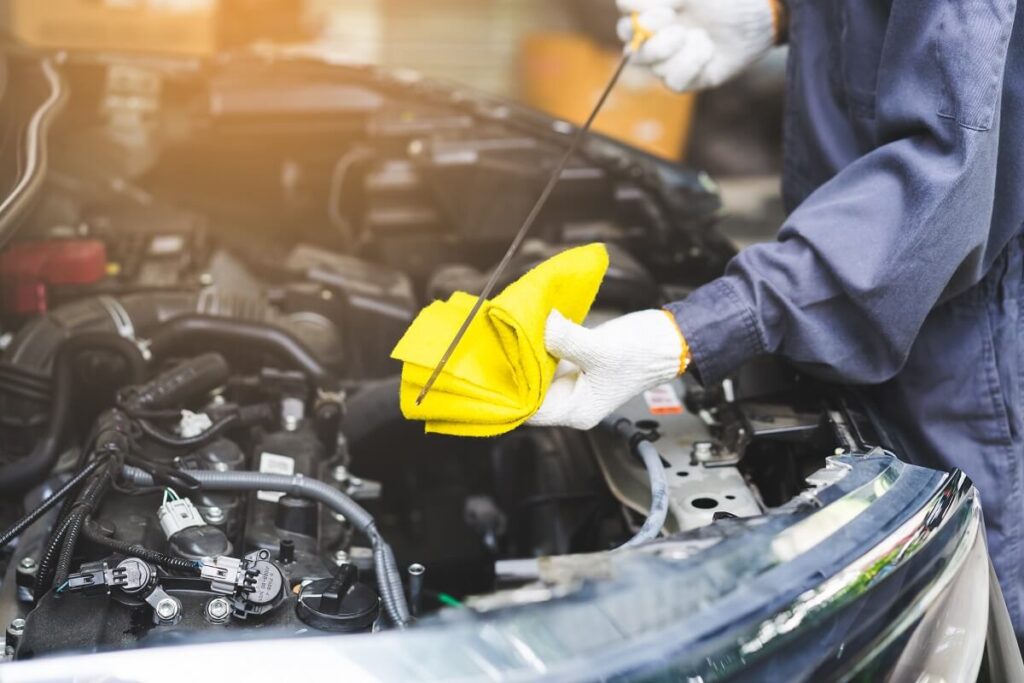
Ensuring oil levels, brake fluid, tyre condition, lights, and wipers are all in good condition can increase the likelihood of passing first time.
Fixing small issues beforehand can often save you from needing a re-test
How Regular Servicing Helps With Your MOT
Regular servicing helps pick up faults early, which can make your MOT much easier to pass.
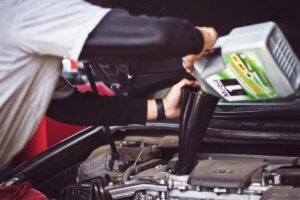
A regular mot and service appointment will identify potential faults before they become MOT failures. Oil changes, fluid checks, brake inspections, and general mechanical maintenance keep your car in optimal condition and make the MOT process smoother.
Preventative maintenance is particularly important for high-mileage vehicles. A well-serviced car is more likely to pass its MOT first time, reducing the risk of costly retests and giving drivers peace of mind that their vehicle is safe and roadworthy.
MOT Collection Services in Hertfordshire
If you’re short on time, MOT collection can be a practical option. CollectServiceGo will pick up your car, take it for its test, and return it once the MOT is completed.
Your vehicle is carefully collected, tested by fully qualified technicians, and returned promptly, ensuring convenience without compromising on quality.
Book Your MOT Today
Book your MOT now to avoid last-minute stress. Our team can collect your car, take it for testing, and return it once it’s done.